
Partnering for the Future: Northern Schools Trust & Ford Philanthropy
This partnership brings together Liverpool Life Sciences UTC, The Studio School Liverpool, and Ford Philanthropy to equip the next generation of engineers, data scientists, and innovators with the skills required for the evolving industrial landscape. By bridging the gap between academic theory and real-world application, we are creating meaningful pathways for students into the high-growth sectors of advanced manufacturing and digital technology.
Impact Spotlight: James's Story
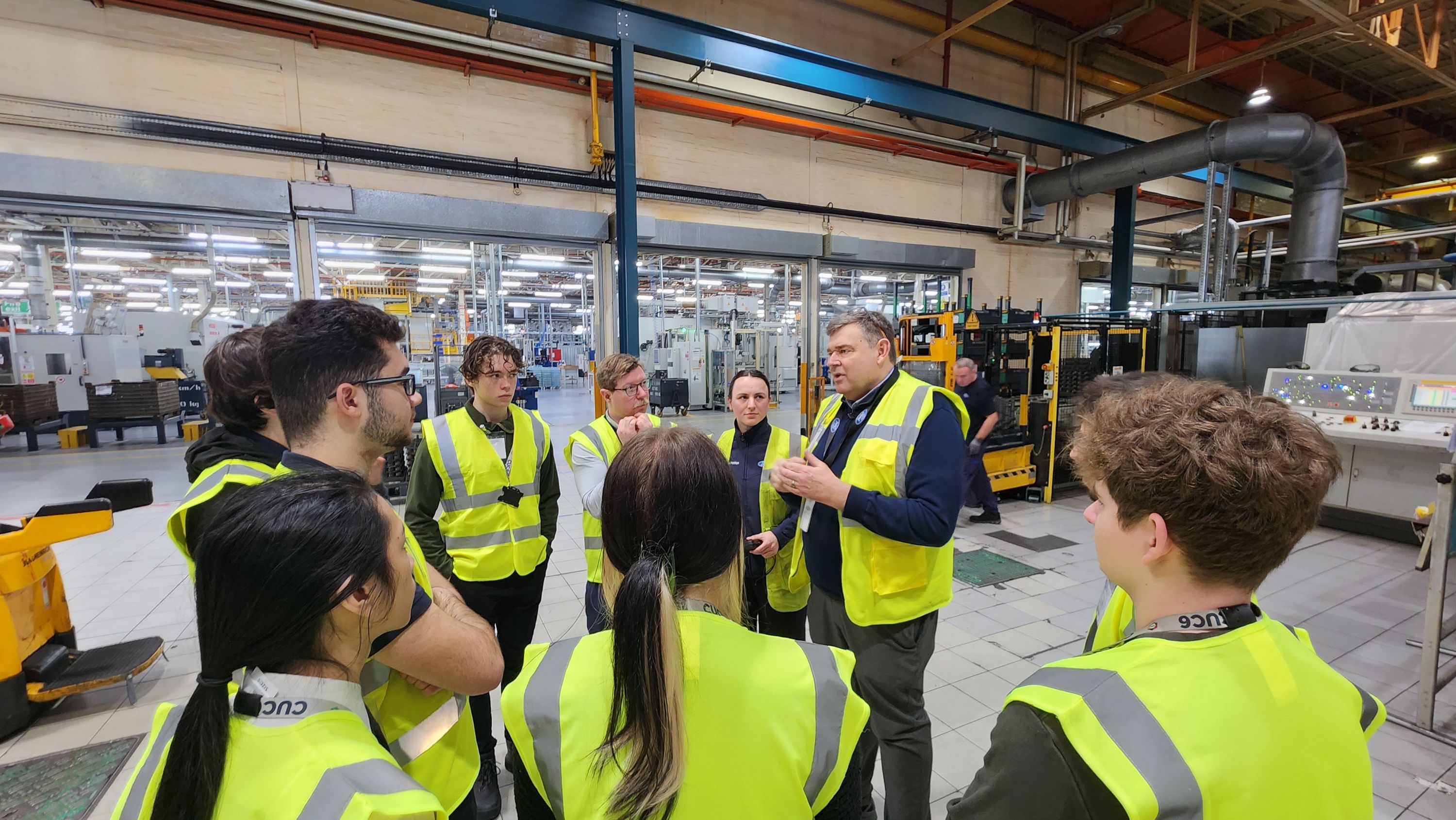
James, a neurodiverse student at Liverpool Life Sciences UTC, initially struggled with confidence and communication. Through Ford Philanthropy funding, he mastered Power BI data dashboarding and managed a generative design project for lightweight automotive parts. Today, James is an articulate professional who has progressed into a degree apprenticeship within the local manufacturing economy.
Our Mission: Empowering Liverpool’s Future Workforce
Our collaboration is rooted in a shared commitment to social mobility and educational excellence. We aim to:
- Close the Digital Divide: Providing students from underrepresented and economically disadvantaged backgrounds with access to elite technologies like AR/VR, AI, and 3D printing.
- Contextualise Learning: Moving beyond the standard curriculum by using authentic Ford manufacturing data and Electric Vehicle (EV) physics to teach core STEM subjects.
- Foster Industry Readiness: Developing "Future of Work" competencies through project-based learning, mentorship, and direct engagement with industry professionals.
Core Project Strands
1. Data Science & Lean Manufacturing
Students analyse real-world industrial data to build interactive dashboards, gaining deep insights into how data-driven decisions improve efficiency and reduce waste in modern manufacturing environments.
2. Advanced Manufacturing & 3D Printing
With the launch of a dedicated Additive Manufacturing suite, students design and prototype components using industry-standard CAD software and 3D printing technology, preparing them for roles in the "Smart Factories" of tomorrow.
3. The Physics of Mobility
We have integrated the science behind Electric Vehicles, such as battery chemistry and energy transfer, into GCSE and A-level Physics, ensuring students understand the practical applications of their studies within the mobility industry.
4. Innovation through EPQsThe Extended Project Qualification (EPQ) allows students to lead independent research into cutting-edge fields such as Artificial Intelligence and Vision Systems, earning UCAS points while developing vital project management skills.
A Collaborative Ecosystem
This project is supported by a robust network of partners dedicated to student success:
- Ford Philanthropy: Providing strategic funding, technical expertise, and mentorship from plant leadership and Ford apprentices.
- Industry Experts: Collaborative support from the Northern Automotive Alliance (NAA) and the Knowsley Manufacturing Forum.
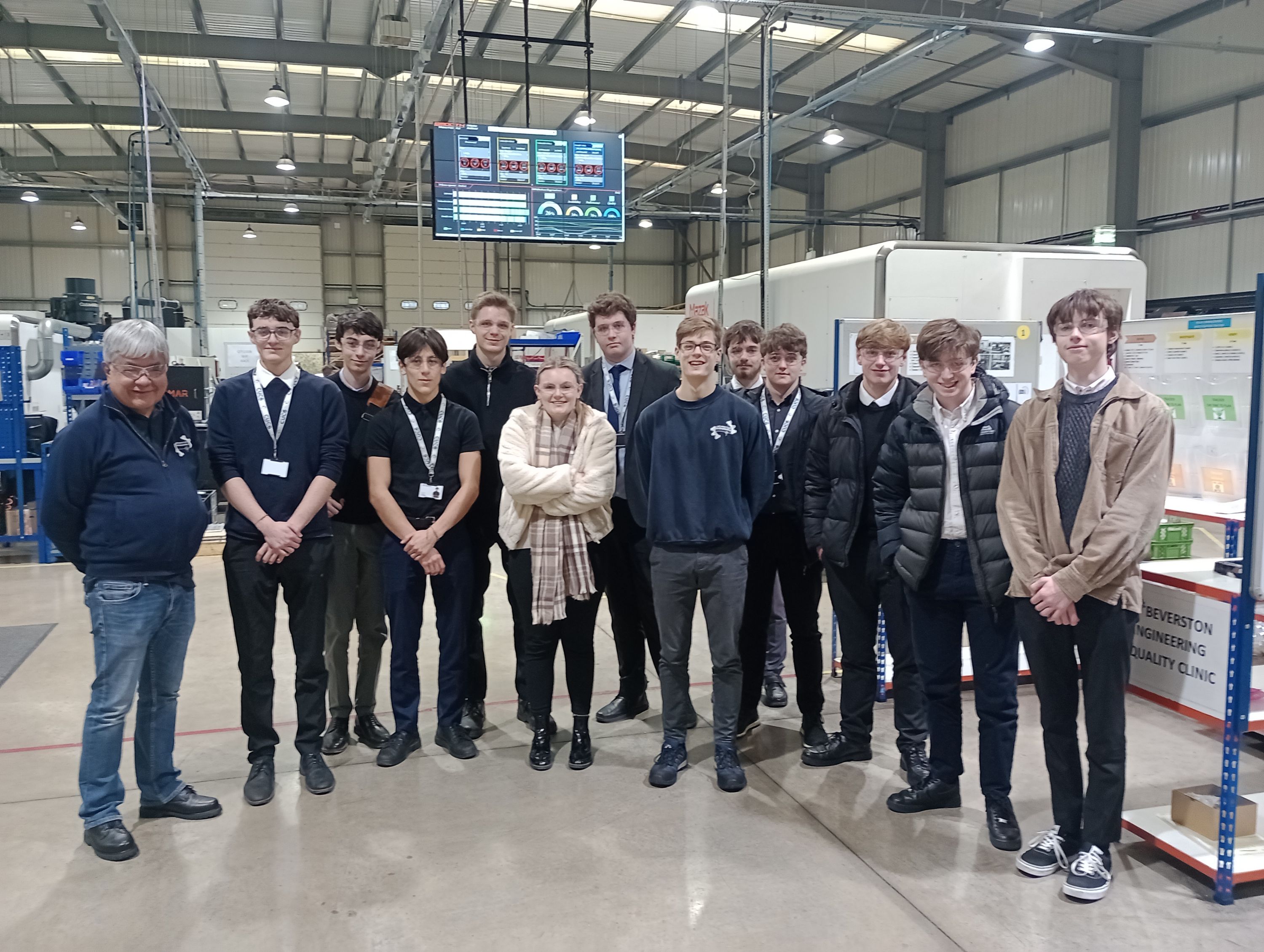
- Local SMEs: Partnerships with firms such as Beverston Engineering, and BAC provide placements and real-world challenges.
- Technology Partners: Access to state-of-the-art design and simulation software via Autodesk.
Project Timeline & Milestones (2025–2027)
Our roadmap ensures a structured delivery of high-impact activities:
- December 2025 – January 2026: Installation of the new Additive Manufacturing suite.
- February – May 2026: Exploring sustainable materials and developing smart manufacturing plans.
- June – September 2026: Wind tunnel testing and the launch of student EPQ research projects.
- October 2026 – January 2027: Integration of AI into inventory management and final project evaluations.
Contact Information
For more information on our industry partnerships, please contact Dan Howard, Employer Engagement Lead.